How health AI and robotics are tested and evaluated
Before AI or a robot can be used safely in healthcare, its developers need evidence that it works as intended, is safe and meets the rules that apply. TEF-Health's hospitals, laboratories and testing organisations help companies produce this evidence.
-
Data
Is the data it learned from of good quality, representative of the patients it will serve, and lawfully handled?
-
Performance and reliability
Does it perform accurately and reliably on the data and in the conditions it will meet?
-
Safety and robustness
What happens when it meets errors, unusual cases or attacks?
-
Usability and human oversight
Can clinicians and patients use it safely, and can a person stay in control of what it does?
-
Clinical evaluation
Does it work as intended in real healthcare settings, and what clinical evidence supports its use?
-
Monitoring after deployment
Once in use, is its performance watched, and are problems reported and corrected?
Not every solution needs every type of test: the right evaluation depends on its intended use, its risks, its maturity and how it is classified. The EU rules for medical devices and AI (MDR, IVDR, AI Act) set which evidence a solution needs. TEF-Health helps companies produce it but does not certify solutions or award the CE mark. Trust is not settled by a single test: it needs evidence before use and monitoring for as long as the solution is used.
Solutions TEF-Health supported
All success stories

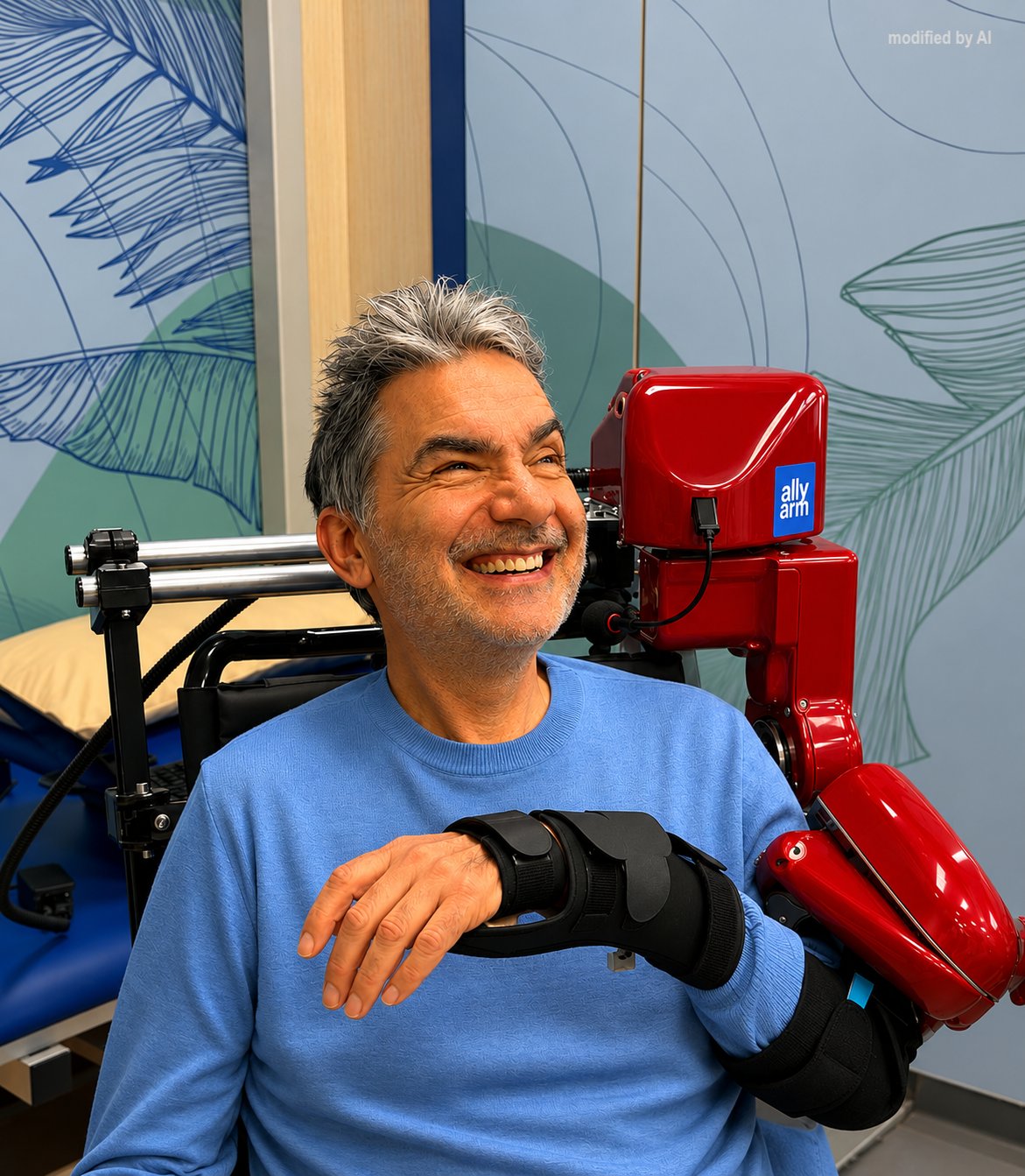
Become an advisor for trustworthy AI in health
The board of end users brings together everyone who will use or buy the AI and robotics solutions that companies test and validate with TEF-Health, so their view shapes those solutions before they reach care. Patients and relatives are especially welcome: the board needs their perspective.
Medical domains of products supported by TEF-Health
The medical domains of the solutions TEF-Health has supported: the larger the name, the more companies worked in it. Open one to see its services.
- Administrative
- Cardiology
- Chronic Disease
- Emergency Medicine (ICU)
- Endocrinology / Diabetology
- General Medicine
- Gynecology / Obstetrics
- Hepatology / Gastroenterology
- Mental Health
- Neurology
- Neurosurgery
- Oncology
- Ophthalmology
- Orthopedics
- Pathology
- Physiotherapy
- Psychiatry
- Psychology
- Radiology
- Rehabilitation Medicine
- Risk Prediction
- Surgery